
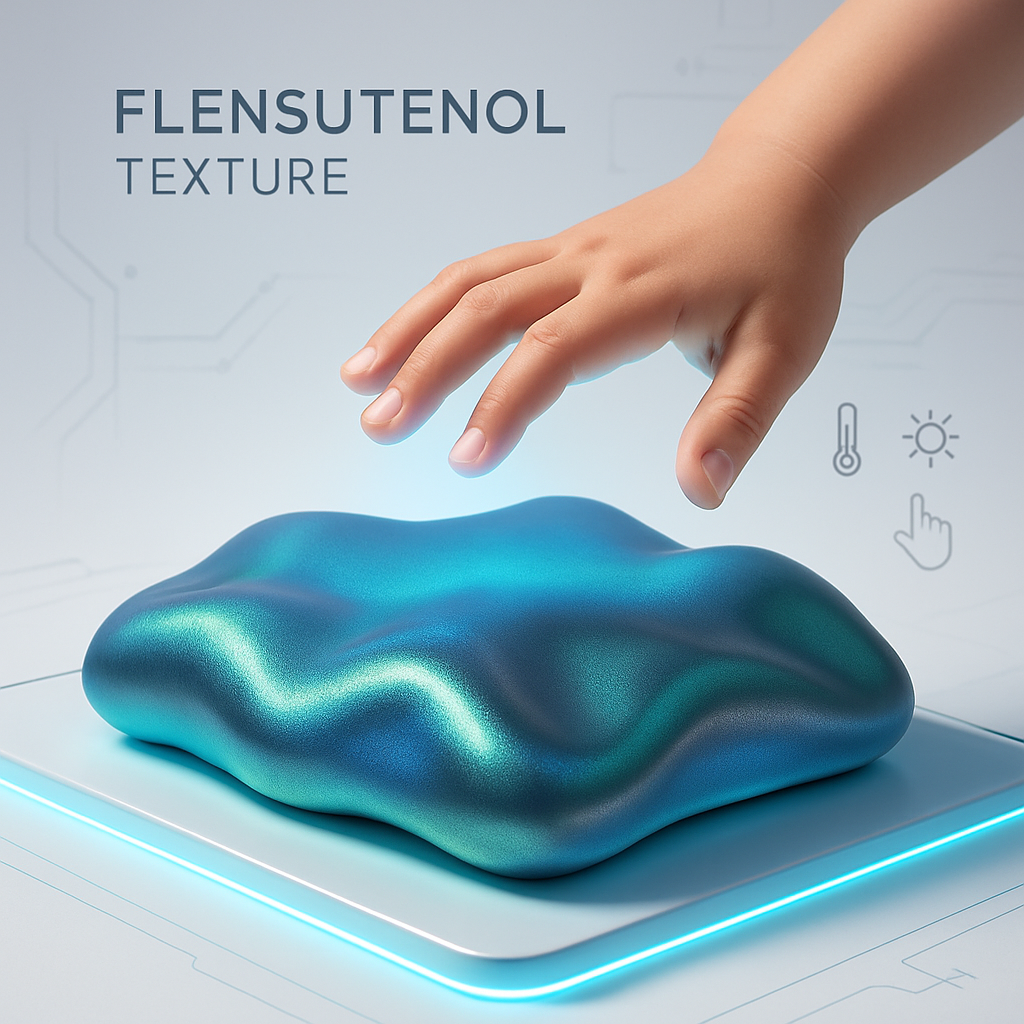
When it comes to innovative materials in construction, design, and manufacturing, Flensutenol Texture is a term that’s starting to gain attention. While it might sound highly technical, its applications and importance make it worth understanding. From industrial use to modern-day design solutions, Flensutenol and its unique texture are reshaping the way we think about durability, aesthetics, and functionality.
What is Flensutenol
Flensutenol is often described as a synthetic composite material engineered to deliver strength, flexibility, and visual appeal. Unlike traditional materials such as concrete, plastic, or metals, Flensutenol stands out for its customizable texture, which makes it highly versatile.
The word “texture” here is key—because unlike many materials that come with a fixed finish, Flensutenol can be designed to mimic stone, wood, fabric, or even futuristic abstract patterns.
Understanding Flensutenol Textur
The texture of Flensutenol refers to the surface feel and appearance of the material. Depending on how it’s manufactured, the texture can range from smooth and glossy to rough and natural-looking.
Some of the most common textures include:
- Matte Texture: Subtle, minimal, and perfect for contemporary designs.
- Grainy Texture: Resembling natural stone or raw wood.
- Polished Texture: Highly reflective, ideal for luxury interiors or architectural accents.
- Custom 3D Patterns: Innovative designs for art, furniture, or industrial components.
This adaptability means Flensutenol isn’t limited to one industry—it’s used in architecture, furniture design, automotive manufacturing, and even consumer electronics.
Why Flensutenol Texture Matters
So why is the texture of this material such a big deal? Here are a few reasons:
1. Aesthetic Flexibility
Flensutenol textures allow designers to create modern, classic, or futuristic looks without being restricted by natural material limitations.
2. Durability
Unlike natural wood that warps or metals that corrode, Flensutenol retains its texture even under stress, making it long-lasting.
3. Eco-Friendly Option
Since it’s often engineered from recycled composites, Flensutenol is considered more sustainable compared to mined or harvested raw materials.
4. User Experience
In products like smartphones, furniture, or car interiors, the touch and feel of Flensutenol textures enhance user comfort and luxury.
Applications of Flensutenol Texture
Flensutenol is not just theory—it’s already in use across industries. Some notable applications include:
1. Architecture & Interior Design
- Wall claddings with natural stone-like Flensutenol texture.
- Flooring solutions with matte or grainy textures for slip resistance.
- Ceiling panels with futuristic 3D patterns.
2. Automotive Industry
- Dashboard finishes with leather-like textures.
- Durable, heat-resistant components with grainy or matte textures.
3. Consumer Electronics
- Smartphone backs with glossy or patterned textures.
- Laptop casings that mimic premium metallic finishes.
4. Furniture Manufacturing
- Tables, chairs, and cabinets with customizable surface designs.
- Luxury finishes without the cost of marble, wood, or granite.
Benefits of Using Flensutenol Textures
Here are some standout advantages:
- Customizable Design – You can tailor textures to match any brand identity.
- Cost-Effective – Cheaper than sourcing rare natural materials.
- Durability – Resistant to scratches, moisture, and UV light.
- Lightweight – Easier to transport and install than heavy alternatives like stone or metal.
- Sustainability – Reduces environmental impact with recycled composites.
Challenges of Flensutenol Texture
Of course, like any material, Flensutenol textures also come with challenges:
- Limited Awareness: Many industries still prefer traditional materials.
- Specialized Production: Requires advanced technology to achieve certain textures.
- Cost Variability: High-end textures may be more expensive to produce.
The Future of Flensutenol Texture
With growing demand for eco-friendly, durable, and versatile materials, Flensutenol textures are expected to see widespread adoption. In the future, we may see them in:
- Smart homes with adaptive wall textures.
- Fashion and wearables where Flensutenol mimics fabrics.
- Public infrastructure using durable, aesthetic finishes.
As technology advances, the possibilities for Flensutenol textures will only expand, making them an exciting material for designers, engineers, and innovators.
Conclusion
The Flensutenol texture is more than just a surface finish—it’s a game-changing feature that brings together aesthetics, durability, and sustainability. Whether you’re an architect, product designer, or simply someone interested in innovative materials, Flensutenol opens up a world of possibilities.
